Spectrum of Plant-Based Eating Definitions and Variations
Understanding the Spectrum
Plant-based dietary patterns do not exist as a single category. Rather, they form a spectrum reflecting different relationships between individuals and plant and animal food sources. This spectrum accommodates considerable variation in food choices, frequency and intake patterns.
Flexitarian Patterns
Flexitarian approaches prioritise plant foods as the foundation of meals whilst including animal products—meat, poultry, fish, dairy or eggs—on a flexible basis. Frequency varies; some individuals eat plant-based meals most days with occasional animal products, whilst others show different patterns.
Flexitarian is not a formal classification but rather a descriptor of dietary flexibility centred around plant food emphasis. Individual definitions vary widely.
Pescatarian Patterns
Pescatarian approaches exclude land animals (meat and poultry) but include fish and seafood alongside plant foods. Dairy and eggs may or may not feature depending on individual choice. This pattern represents a middle point on the spectrum, maintaining plant food emphasis whilst including specific animal sources.
Vegetarian Patterns
Vegetarian patterns exclude meat, poultry and fish but typically include dairy products and eggs alongside plant foods. Vegetarianism encompasses diverse approaches; some individuals emphasise whole plant foods whilst others include processed alternatives. The emphasis remains on plant sources as dietary foundations.
Fully Plant-Based and Vegan Patterns
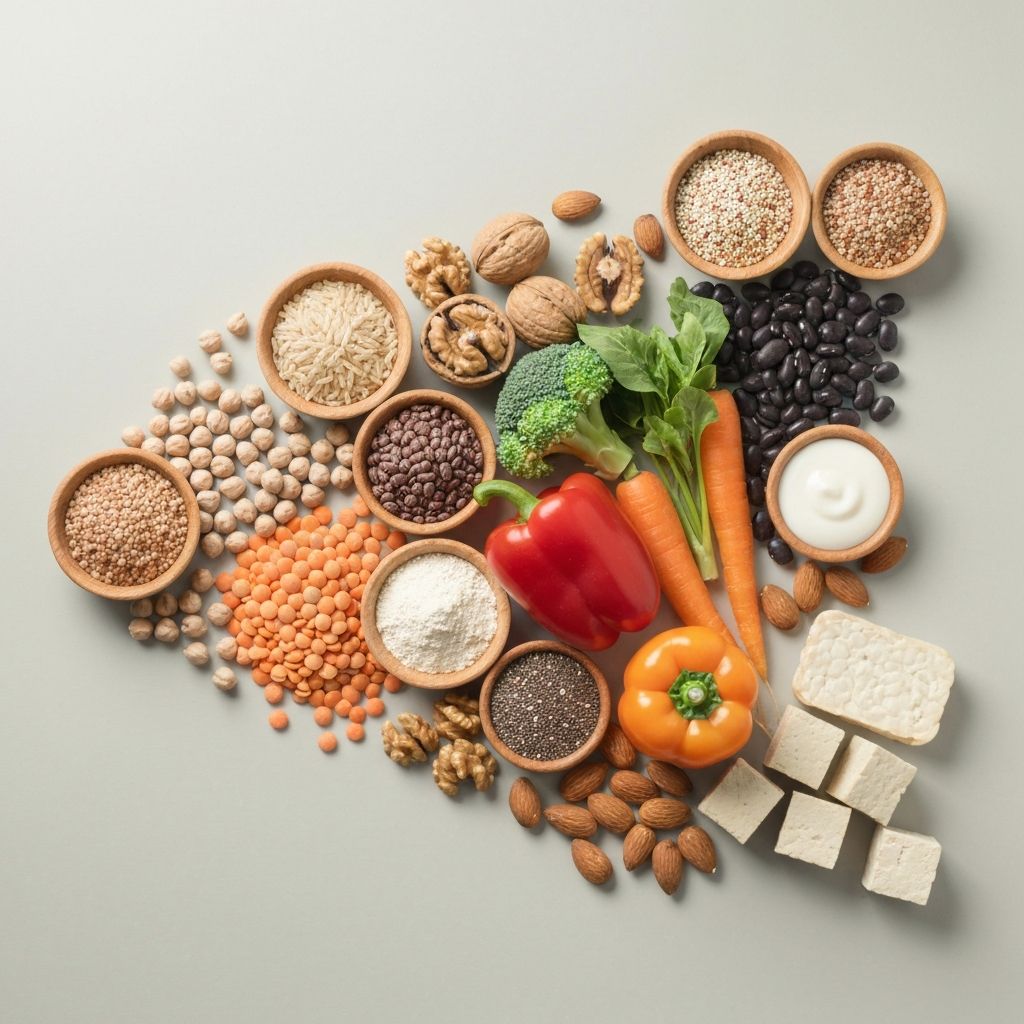
Fully plant-based or vegan dietary patterns exclude all animal-derived foods including meat, poultry, fish, dairy, eggs and sometimes honey. These patterns rely entirely on plant sources—legumes, whole grains, vegetables, fruits, nuts, seeds and oils.
Veganism often extends beyond dietary choice to a broader lifestyle philosophy excluding animal products for ethical, environmental or health reasons. Plant-based eating refers specifically to food composition emphasising plant sources.
Individual Variation Within Categories
Substantial variation exists within each category. Two individuals both identifying as vegetarian may have very different diets—one emphasising whole foods, the other relying on processed alternatives. Frequency, proportions and specific food choices vary individually regardless of dietary label.
Contextual and Cultural Dimensions
Plant-based eating patterns exist within cultural, economic, geographic and social contexts. Food availability, cultural food traditions, family practices and personal circumstances influence dietary choices. Plant-based patterns are not uniformly distributed globally; adoption reflects local context and individual choice.
Personal Reasons for Dietary Choice
Individuals adopt plant-based patterns for varied reasons—ethical concerns about animal agriculture, environmental consciousness, perceived health benefits, allergy or intolerance management, religious or cultural practice, or personal food preferences. Individual motivation influences adherence and pattern sustainability.
No Universal Superiority
Different plant-based patterns suit different individuals. Some thrive on fully plant-based approaches; others find different patterns more sustainable or appropriate to their circumstances. Suitability depends on individual health status, nutritional needs, food preferences, accessibility and personal values.